For homes and businesses that depend on a private well, a properly functioning pump is essential. It moves groundwater from the well into the plumbing system, supplying water to faucets, appliances, bathrooms, and other everyday needs. While a well pump is designed to provide dependable service, no mechanical equipment lasts forever. Knowing when to consider a well water pump replacement can help property owners address declining performance before they are left with an insufficient water supply.
However, changes in water pressure, frequent cycling, and other symptoms can originate elsewhere in the well system. Recognizing those warning signs is a good starting point, but determining their cause is best left to a well professional.
How a Well Pump Supports the Water System
A well pump does more than move water out of the ground. It operates as part of a larger system that includes components such as the pressure tank, pressure switch, piping, and electrical equipment.
When you use water, system pressure drops. The pressure switch signals the pump to turn on, replenishing the water supply and restoring pressure. Once it reaches the appropriate pressure, the pump shuts off. This cycle provides water as needed without running the pump continuously.
When something interrupts that process, homeowners or business owners may begin noticing changes in how their water system performs. While the pump may be the culprit, it’s worth evaluating the entire system before replacing it.
Signs Well Water Pump Replacement May Be Needed
A failing well pump can result in a variety of symptoms, and often more than one becomes evident. Property owners should watch for changes in how their well system normally operates. When several issues happen at the same time or keep returning after repairs, it may be time to consider a well water pump replacement.
Water Pressure Has Changed
A noticeable decrease in water pressure can make showers, faucets, appliances, and other fixtures less effective. Pressure that repeatedly rises and falls may also indicate that the well system is having difficulty maintaining normal operation.
The pump may be the cause, but pressure problems can also involve the pressure tank, pressure switch, pipes, or the well’s available water supply. A professional inspection can identify the source and determine if repairs or replacement are the best solution.
The Pump Runs Longer Than Usual
A well pump should cycle according to water demand and system pressure. If it keeps running when little or no water is being used, something may be preventing the system from reaching the pressure needed to shut the pump off.
Continuous operation places additional demand on the equipment. It can be related to the pump, but leaks, pressure controls, or other system problems may also be involved. Addressing the issue early can help prevent unnecessary strain on working components.
Frequent On-and-Off Cycling
A well pump that turns on and off more often than normal is known as short cycling. This can happen because of a problem with the pressure tank, pressure switch, or the pump itself. Because several parts of the well system can cause this issue, frequent cycling doesn’t always mean the pump needs to be replaced. A professional can inspect the system, find the cause, and recommend the right solution.
Diminishing Water Supply
Turning on a faucet and receiving little or no water is an obvious sign that the well system needs attention. However, it doesn’t automatically mean the pump has failed.
A loss of water can have several causes, including issues with the pump, electrical system, controls, or conditions within the well. Professional troubleshooting helps determine whether the problem can be repaired or whether well water pump replacement is necessary.
The System Sounds Different
Property owners become accustomed to the normal sounds of their well equipment. New, unusually loud, or persistent noises are worth investigating, particularly when they occur alongside pressure or water-delivery problems.
A change in sound may indicate that equipment is no longer operating as it normally does. Having the system inspected can help locate the source before its performance declines further.
Frequent Repairs are Necessary
An individual repair does not necessarily justify replacing an entire pump. However, a pattern of recurring repairs can change the decision.
When an older or worn pump repeatedly requires service, a professional can compare its condition and repair needs with the benefits of replacement. This lets the property owner make a decision based on the pump’s actual performance rather than replacing equipment unnecessarily.
Repair or Replace the Well Pump?
Not every well problem calls for well water pump replacement. A pressure switch, pressure tank, valve, electrical component, or another part of the system may cause symptoms that initially appear to be pump failure.
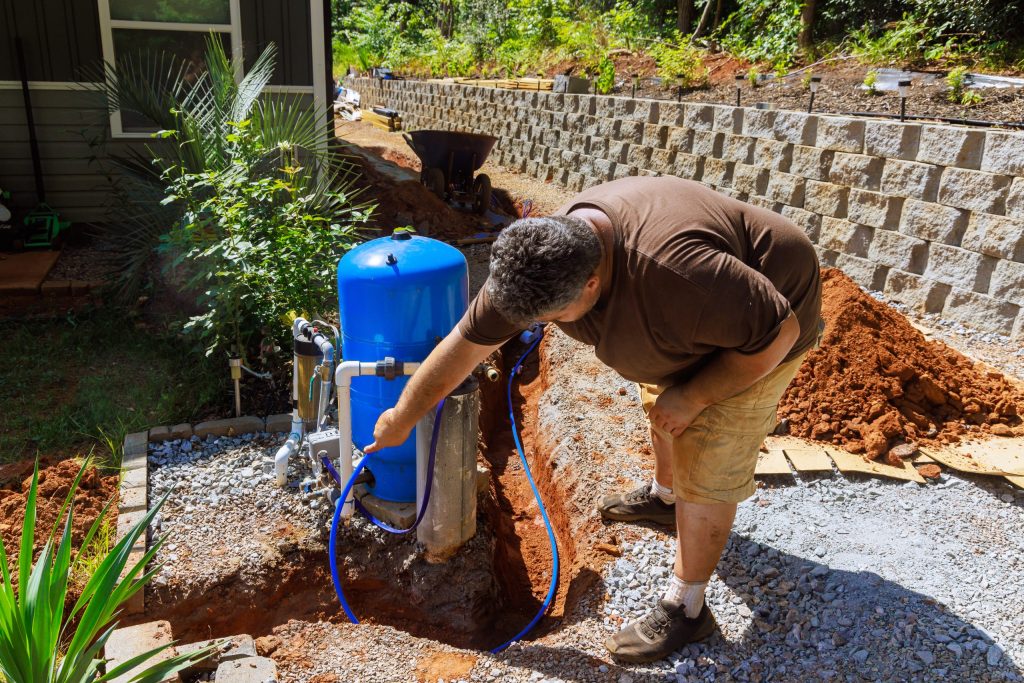
A professional well technician can troubleshoot the pump system and evaluate the equipment to locate the actual source of the problem. They typically perform well production testing, which measures factors including static water level, gallons per minute, pumping level, drawdown, and recovery while inspecting above-ground equipment.
If the pump itself is significantly worn or has failed, replacement may provide the more practical solution. If another component is causing the problem, repairing that component may restore normal operation without replacing the pump.
How to Choose the Right Replacement Pump
When you need a new pump, selecting one involves more than replacing the old unit with something that looks similar. The pump must match the well’s characteristics and the property’s water demands.
Factors such as well depth, water production, required water pressure, and expected usage can influence pump selection. Residential properties with several occupants may have different demands than commercial properties or irrigation systems.
Proper sizing is also important. A pump should meet the property’s needs while operating properly with the rest of the well system. A professional can evaluate these factors and recommend equipment suited to the individual well.
Is Professional Pump Replacement Necessary?
Replacing a well water pump involves water system components, pressure controls, plumbing, and electrical equipment. Some pumps are also installed deep within the well itself. Professional installation helps ensure the new equipment is properly selected, positioned, connected, and integrated with the existing system.
A professional will also examine related equipment during the service. This provides an opportunity to identify whether another component needs attention rather than focusing solely on the pump.
Call A1 Well Drilling & Pump Service
When changes in water pressure, pump operation, or water availability raise concerns, an accurate diagnosis can provide the answers needed. A1 Well Drilling & Pump Service handles pump installation, service, repair, and well water pump replacement for private well systems.
With four generations of experience, we are a fully licensed well service company with licensed well drillers and pump installers. Our fully equipped service trucks are prepared to address a wide range of well and pump problems, and service is available 24/7 throughout Monmouth, Ocean, Burlington, Middlesex, and Mercer Counties.
If you’re experiencing any of the symptoms we’ve described, contact A1 Well Drilling & Pump Service to have the system evaluated and determine the right solution for the property.

Well Water Pump Replacement FAQs
Does low water pressure mean a well pump needs to be replaced?
Not necessarily. Low pressure can involve the pump, pressure tank, pressure switch, piping, or other parts of the well system. An inspection can identify the cause.
Why does a well pump keep turning on and off?
Frequent cycling can involve the pressure tank, pressure switch, pump, or another system problem. Diagnose the cause before replacing equipment.
Does no water automatically mean the well pump has failed?
No. Pump problems are one possibility, but electrical components, controls, and well conditions can also affect water delivery.
Can a well pump be repaired instead of replaced?
In some situations, yes. Whether repair is appropriate depends on the failed component and the system’s overall condition.
How do you choose the right replacement pump?
Consider well depth, water production, pressure requirements, property demand, and the existing system when selecting a pump.
Who should perform a well water pump replacement?
A qualified well professional can diagnose the system, determine whether replacement is necessary, select appropriate equipment, and properly install the new pump.